


From data overload to decision clarity
A requirements-first audit that traced dashboard clutter to unresolved stakeholder assumptions — then resolved it through deliberate information hierarchy and high-fidelity prototyping.


The clutter had a source — and it wasn't the users
Structured interviews and contextual observation revealed that most dashboard panels existed to satisfy internal stakeholder assumptions rather than documented user tasks. Users were navigating around the data, not with it.
A user requirements map separated confirmed needs from assumed ones — giving the team a shared, evidence-based baseline before any wireframe was drawn.
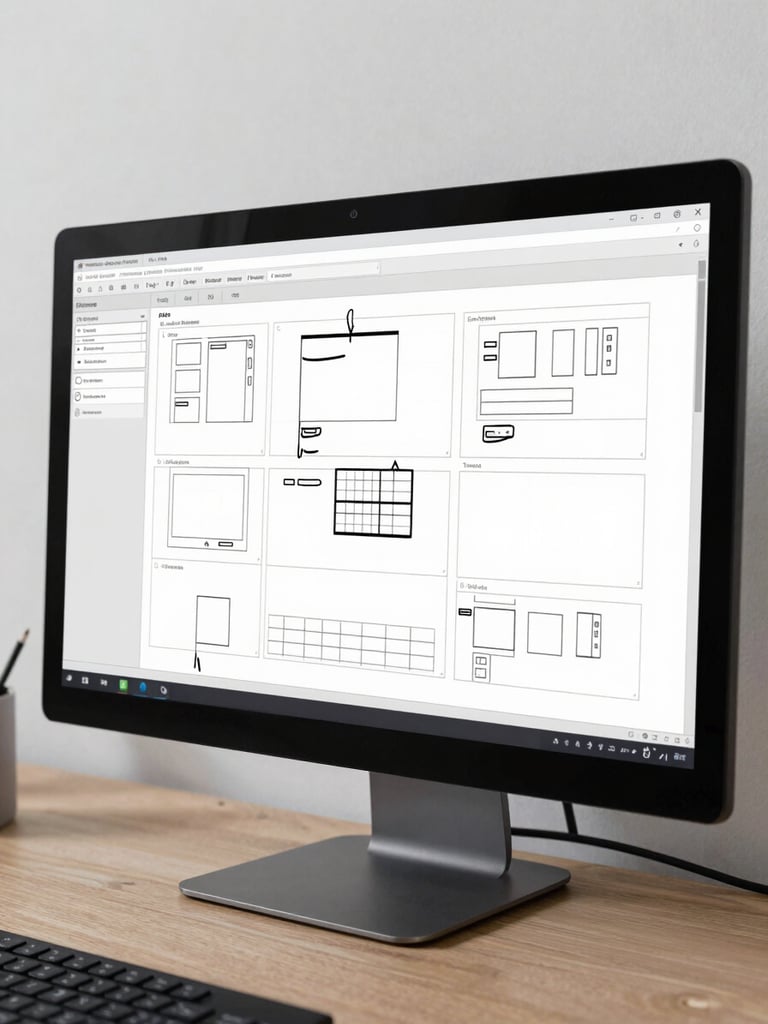
Hierarchy as cognitive load reduction
Wireframes established a strict hierarchy: actionable signals at the top tier, contextual data in the second, reference metrics behind progressive disclosure. Every panel placement was justified against a documented user task.
Cross-functional critique sessions used the wireframes as a decision log — each layout choice tied back to a specific finding from the requirements analysis.
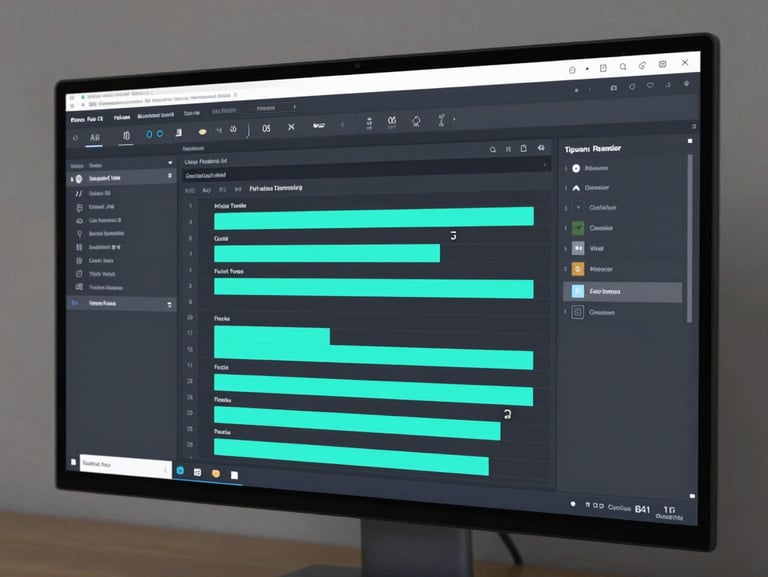
The prototype as a stakeholder alignment tool
The Figma prototype was built to surface trade-off decisions in real time — not to hand off pixel specs. Stakeholders navigated the live prototype during review sessions, making hierarchy choices visible and reversible before engineering began.