
/ Case Study — Design System
One system. Multiple Modules. Zero repeated decisions.
A scalable component library built from a full inconsistency audit — architecture grounded in evidence, not convention.
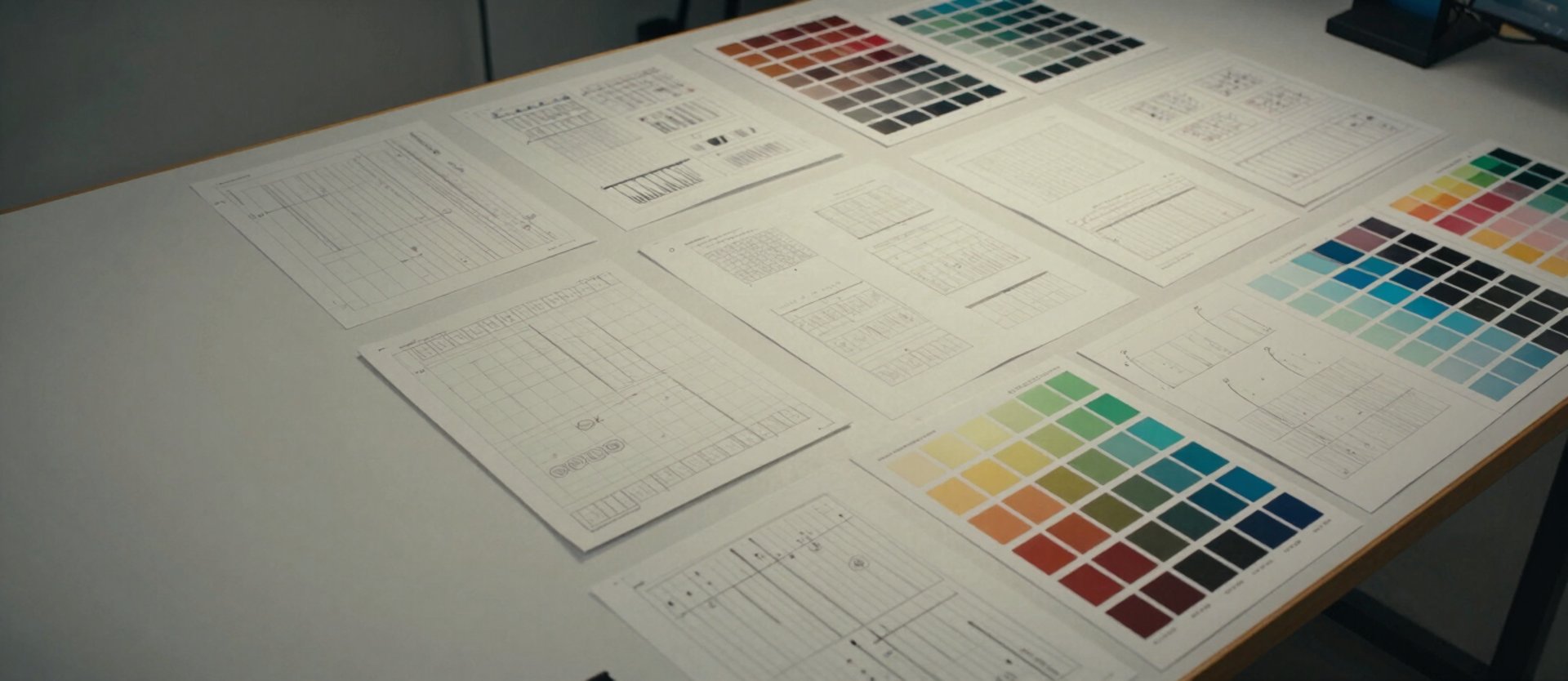
Worked independently solving the same interface problems — divergent button states, undocumented spacing rules, conflicting type scales. The audit catalogued 140+ inconsistencies before a single component was designed.
Inconsistency at scale
The brief was clear: build a shared language the engineering and design teams could both own — token-first, rationale-documented, adoption-ready.


From audit findings to token architecture
Every token decision traced back to an audit finding. Color, spacing, radius, and elevation were codified in a decision log before any Figma component was built — the documentation preceded the design.
Component documentation was co-authored with engineering leads. Usage rules, do/don't annotations, and variant rationale were embedded directly in the library — not in a separate wiki no one reads.
Cross-functional critique sessions ran every two weeks. Engineers flagged implementation gaps; designers pressure-tested edge cases. The system was stress-tested before it shipped.
Adoption metrics across three product teams
140+ inconsistencies resolved
1 component library
Documentation engineers actually used
A full pre-build audit catalogued every divergent pattern across three codebases before a single token was finalized.
Redundant design decisions eliminated across product, platform, and marketing — one token set, one source of truth.
Usage rationale embedded in the library itself — not a separate wiki. Adoption tracked through component usage data, not self-reporting.